
When I was a kid, my parents had a subscription to National Geographic magazine. In a time long before the internet, National Geographic was my best — and only — way to learn about exotic, far-flung destinations. And it was my gateway to dreaming about exploring those places someday.
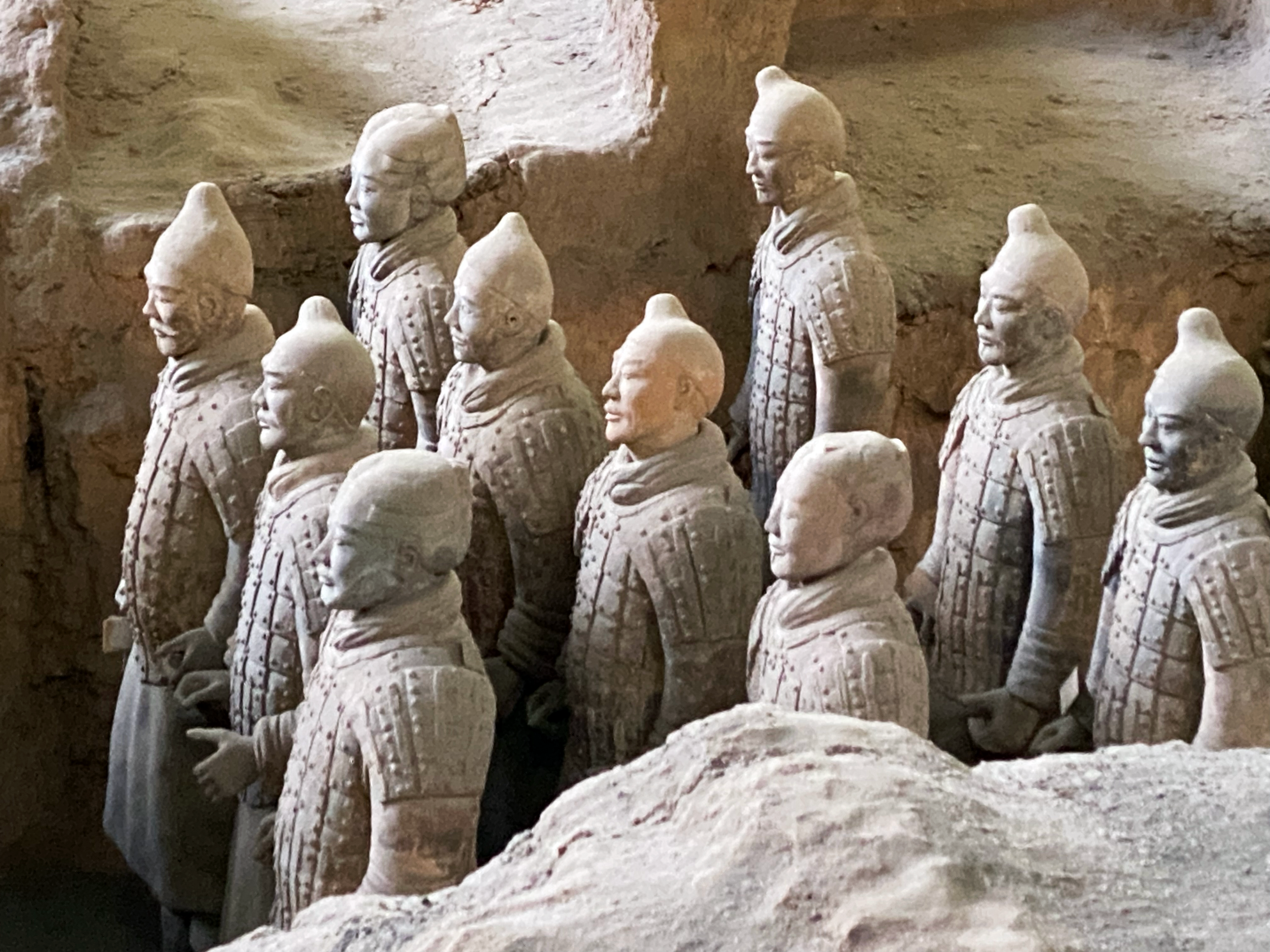
In the April 1978 issue, I read an article titled “China’s Great Find” detailing the discovery of Qin Shi Huang’s mausoleum and the army of life-sized terracotta warriors guarding it. Over 8,000 human figures and 150 horses watched over the tomb of China’s first emperor, each created with unique clothes and facial features. Like snowflakes, no one of them like any other.
I was fascinated.

At nine years old, this was my first real introduction to China outside of stereotyped children’s stories. The craftsmanship, attention to detail, and sheer size of the find had me wondering what else remained buried in the ground halfway around the world.
The article made me want to become an anthropologist or an archaeologist. And I probably should have.
When Angela and I visited the terracotta warriors in person, a childhood dream became reality. It really did feel like I was meeting 8,000 old friends. Those faces, postures, and personalities I had learned from the pages of National Geographic now came to life with the evening sun moving perceptibly across each in turn.
There are few sites that evoke such an historical transubstantiation, where the past and the present fuse into a single experience. My childhood had become my middle age, my old eyes now perceiving what young eyes had once longed to see.


Leave a Reply